
Building a Custom Home in Southern Oregon: The Complete Guide
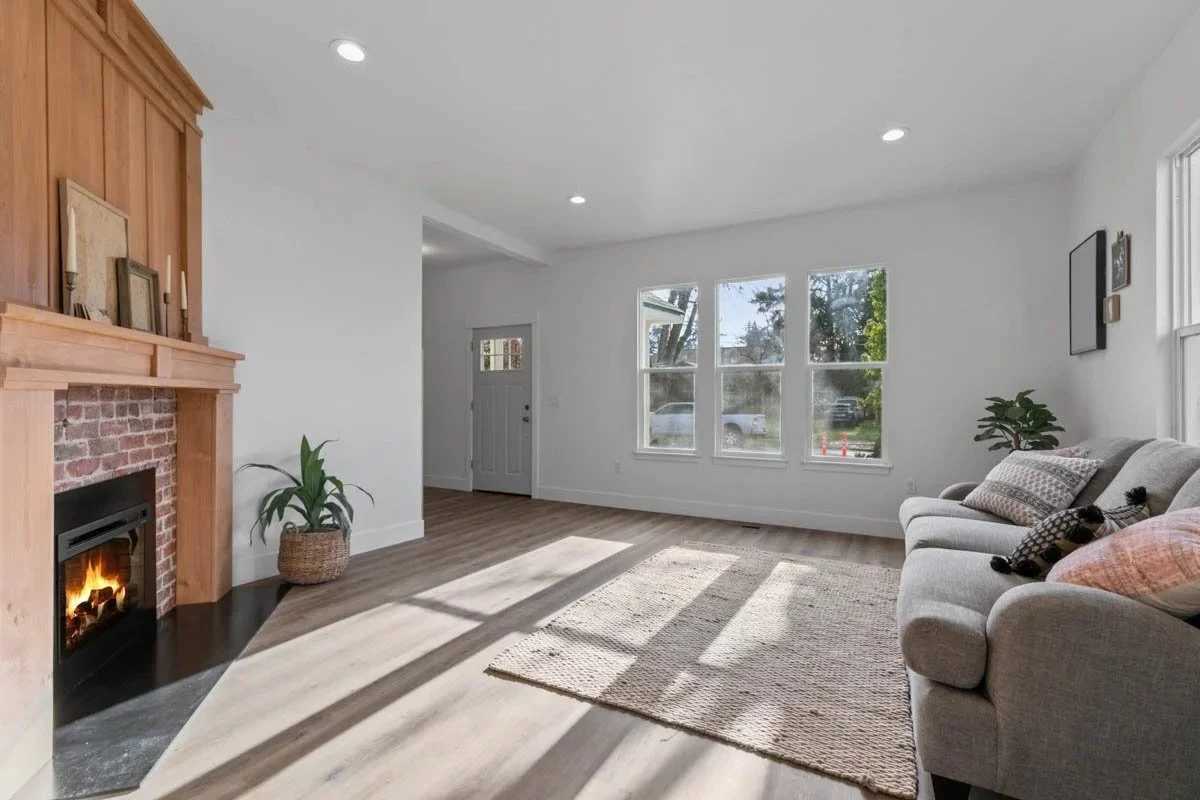
Building a custom home in Southern Oregon involves land, zoning, permits, budgeting, design, and construction, and the rules for each depend on where in the region you're building. A lot in Medford follows different requirements than acreage in Josephine County or a coastal site in Curry County.
This guide covers the full process: choosing between building and buying, finding the right land, understanding zoning and permits, setting a realistic budget, designing the home, choosing a builder, and knowing what to expect during construction and after you move in.
Key Takeaways
Confirm zoning before buying land. Rural land in Southern Oregon is often zoned for farm or forest use, which can prohibit a standalone home.
Rules vary by county. Jackson, Josephine, Douglas, and Curry counties each have different permitting processes, septic requirements, and site conditions.
Rural lots need a septic system permitted through Oregon DEQ. Get the site evaluation done early, since soil conditions can affect where the house itself can go.
Oregon repealed its statewide wildfire building requirements in July 2025. Whether fire-resistant construction applies to your property now depends on your local jurisdiction.
Plan for 12 months or more from land purchase to move-in, and budget for land, site work, soft costs, construction, system development charges, and a 10 to 15 percent contingency.
Why Build a Custom Home in Southern Oregon
Southern Oregon offers a mild four-season climate, easy access to outdoor recreation, and a mix of small-town and city living, without the cost or density of the Portland metro area.
Building here lets your home take advantage of the land itself, whether that's a valley lot near the Rogue River, acreage with mountain views, or a coastal property on the South Coast.
Building vs. Buying
Buying gets you into a home faster, with a known price and no construction risk. What you see is what you get, including the layout, finishes, and any updates the previous owner already made.
Building takes more time and involves more moving parts: financing, permits, weather, and material timelines. In exchange, you get:
A layout built for how you live. Home offices, multigenerational spaces, and outdoor living areas can be planned from the start instead of added later.
Current codes and systems. New construction meets current energy efficiency and structural standards, which means more predictable performance and lower long-term maintenance.
A home that fits the land. Whether your lot is a flat city parcel, sloped rural acreage, or a coastal site with view and wind considerations, building lets you design around it instead of adapting an existing home to fit.
If speed and certainty matter most, buying may fit better. If getting a home that fits your land, lifestyle, and budget matters more, building is usually worth the extra time.
Choosing the Right Location and Land
Your lot determines cost, design options, timeline, and what you're allowed to build. Check the following before you commit to land.
What to Check Before You Buy Land
1. Access
Can you reach the property year-round, including during winter rain or snow? Is the road public or private, and who maintains it? Shared rural access roads can affect both convenience and financing.
2. Slope and soil
Steep or uneven terrain often requires retaining walls, extra engineering, or a different foundation type, all of which add cost. Some soils expand and contract with moisture, which affects how the foundation must be built.
3. Utilities
Does the lot have water, sewer or septic, electricity, and internet? If not, bringing them in is often the largest hidden cost on rural property.
4. Environmental and hazard factors
Floodplains, wetlands, and steep slopes can limit where and how you build. Jackson County specifically flags flooding, high groundwater, erosion, wildfire, and expansive soils as conditions to check before buying.
5. Zoning history
Zoning approval on a property can expire, in as little as two years in Jackson County. If it has, you may need to reapply under current rules. Confirm this before finalizing a purchase, not after.
Urban vs. Rural Lots
Where your lot sits affects utilities, permits, zoning, and building costs. Before buying land, confirm whether the property is inside city limits, within an urban growth boundary, or in an unincorporated county area.
City Lots
City lots are usually easier to build on because they often have:
Municipal water
Public sewer
Paved road access
Emergency services nearby
Shorter utility connections
The tradeoff is less flexibility. City lots may have smaller parcel sizes, tighter setbacks, design standards, and local rules that limit where and how the home can be built.
Rural Lots
Rural properties in Jackson, Josephine, Douglas, or Curry County often need more site planning. Many rely on:
Private wells
Septic systems
Longer utility runs
Private or shared access roads
Additional grading or driveway work
Septic approval usually goes through Oregon DEQ or a county program that handles DEQ requirements. This should be checked early because septic feasibility can affect where the home can sit on the land.
Zoning Comes First
Utilities matter, but zoning determines whether you can legally build the home you want.
Rural residential land is usually the most straightforward option for a custom home. Farm-zoned or forest-zoned land may restrict standalone homes or require the home to be tied to farm or forest use.
Before buying, confirm the property’s zoning, allowed use, setbacks, and any limits on future plans for the land.
Get the Land Reviewed Before You Buy
A realtor can help with market value, resale potential, and neighborhood fit. A builder can look at the property from a construction standpoint and flag issues that may affect cost or feasibility.
This is especially important for:
Large rural acreage
Sloped or steep lots
Coastal properties
Land with private road access
Parcels that seem unusually affordable
A pre-purchase site review can uncover access, septic, utility, zoning, slope, drainage, or setback issues before closing. It is much easier to adjust your plans before buying than to discover later that the lot is more limited or expensive to build on than expected.
Building a Custom Home in Southern Oregon: Zoning, Permits, and Budgeting
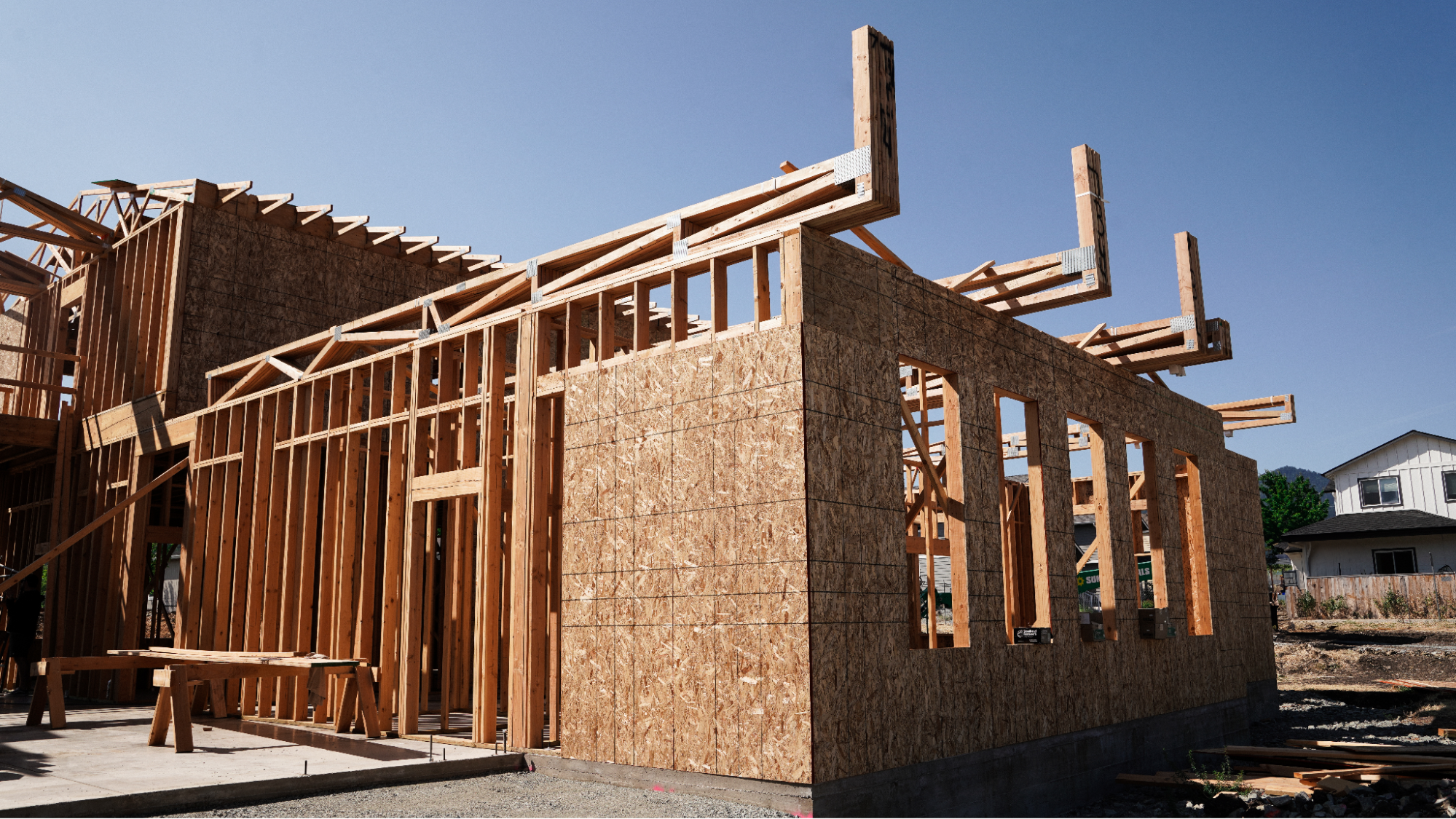
Once you have land, the next step is understanding what you can build on it and what it will cost.
Oregon's Land Use System
Oregon's statewide land use system, created in 1973 under Senate Bill 100, applies to every city and county, including all of Southern Oregon. It divides land into two categories: inside and outside a city's urban growth boundary (UGB).
Land inside a UGB is considered urban, even if undeveloped. Cities zone this land for housing, commercial use, and other urban needs.
Land outside a UGB is rural, generally zoned for one of the following:
Exclusive Farm Use (EFU): reserved for agriculture. A standalone home is restricted and, in most cases, must be tied to farm use of the property.
Forest zones: F-1 zones generally don't allow dwellings unless connected to forest operations. F-2 zones allow limited residential development.
Rural residential: the most common zoning for a rural custom home. Counties create these zones through an exceptions process, which allows land that would otherwise be farm or forest zoned to be used for housing instead.
If you're buying rural land, confirm the zoning designation first. A lot zoned EFU or F-1 may not allow the home you're planning, regardless of how the land looks.
The Permitting Process
Zoning approval comes before building permits. The building code governs how you construct something; local zoning governs whether you're allowed to construct it at all.
What a Building Permit Covers
A building permit is required for new construction, most additions, structural changes, and work involving electrical, plumbing, or mechanical systems. For a custom home, expect a building permit plus separate electrical, plumbing, and mechanical permits.
Permit Expiration
A permit expires if work doesn't start within 180 days, or if work stops for 180 days or more once started. Request an extension from your local building department before that happens.
Steps to Get Your Permits
Confirm zoning approval is current. Zoning approval can expire. Check that it's still valid for your property.
Confirm sewage disposal is possible. If not connecting to city sewer, confirm septic approval is realistic for the site.
Check public services. Review water, road access, schools, and fire protection if relevant to your plans.
Identify natural hazards. Flooding, high groundwater, erosion, wildfire exposure, and expansive soils can affect what's buildable.
Confirm property lines. Near federal land, property lines may not be accurately surveyed, which can affect where you're allowed to build.
Complete zoning and land use review with your local planning department.
Submit plans for review. Most counties require multiple copies of construction drawings and a site plan showing the home's placement, setbacks, and utility connections.
Address any issues the review identifies.
Receive permit issuance and begin construction within 180 days.
Start this process well ahead of your planned construction date. Timelines vary by county, so check with your local planning department for what to expect in your area.
Septic Systems: The Process for Rural Lots
If your lot isn't connected to a city sewer system, you'll need a septic system. Permitting runs through Oregon DEQ or a local county agent acting on DEQ's behalf, and it happens in two steps.
Step 1: Site evaluation
An agent digs test pits to check soil and groundwater conditions, which determine the type and size of septic system the site can support and where it can be located. This is required for any undeveloped property that hasn't been evaluated before. The approval stays valid until a system is installed, unless site conditions change. Cutting, filling, or adding a well after the evaluation can void it.
Step 2: Construction-installation permit
This requires a Land Use Compatibility Statement (LUCS) from your local planning department. The permit is valid for one year and can be renewed if needed.
Get the site evaluation done early. Soil or groundwater conditions can limit what septic system the property supports, which can affect where the house itself ends up going.
Wildfire Rules
Before 2025: Senate Bill 762 (2021) created a statewide Wildfire Hazard Map. Properties in high-risk zones within the wildland-urban interface faced mandatory defensible space requirements and stricter building codes under section R327 of the building code.
As of July 2025: Senate Bill 83 repealed that map along with the mandatory requirements tied to it. Section R327 is now optional for local adoption, meaning cities and counties can choose to apply these standards, but the state no longer requires it.
Check with your local building department to find out whether wildfire-resistant construction standards apply to your property, since this can vary by jurisdiction.
In higher-risk parts of Southern Oregon, some homeowners choose fire-resistant materials even when they aren't required, partly because it can also affect insurance costs.
Energy Code Requirements
New homes in Oregon follow the Oregon Residential Specialty Code, which sets energy efficiency standards for things like insulation, windows, and air sealing. The current version became mandatory on April 1, 2024, and applies to all new residential construction in Oregon, including Southern Oregon.
Budgeting for Your Custom Home
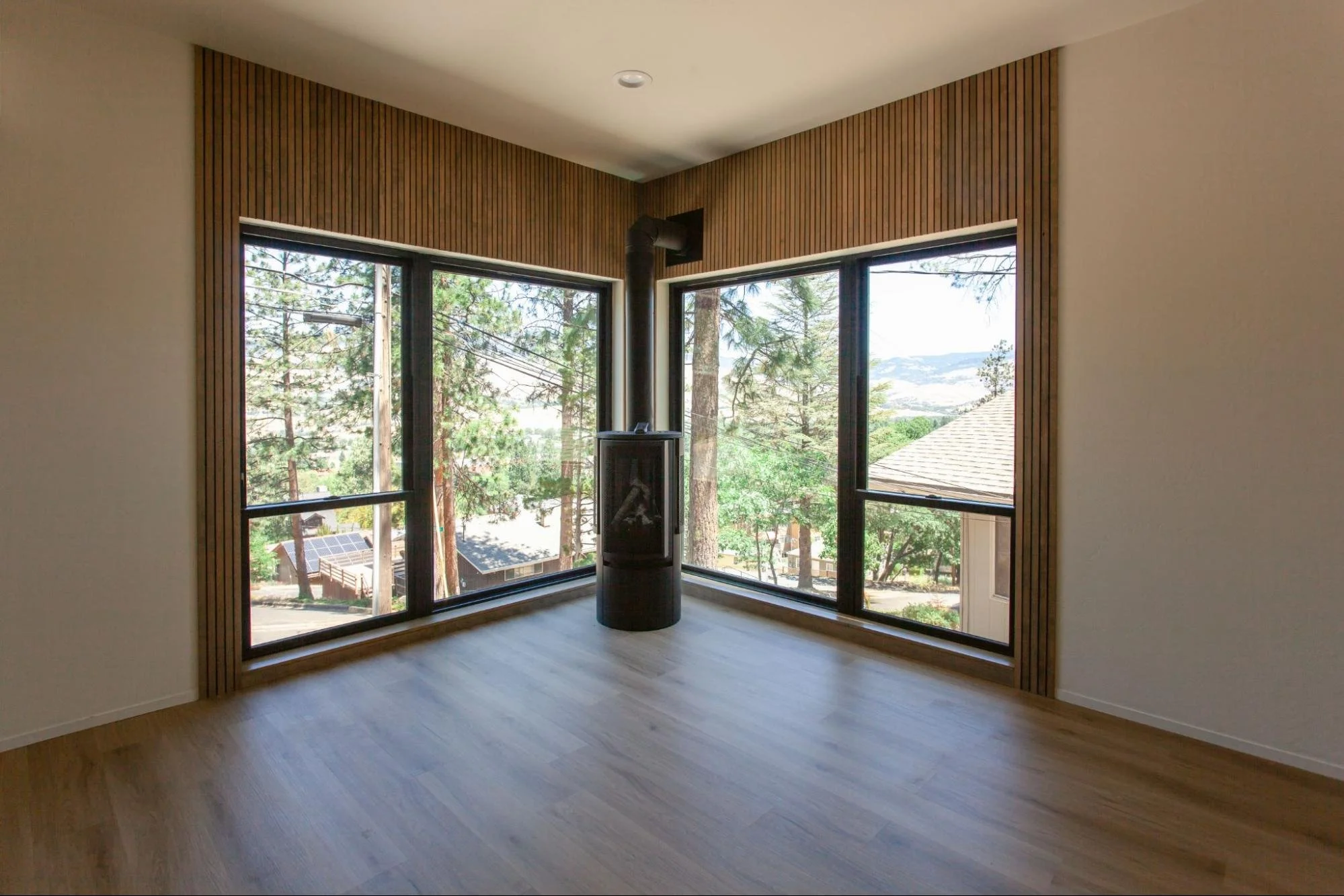
Costs vary by project, location, and site conditions, but every custom build draws from the same general categories.
Land: the purchase price of the lot itself.
Site work: clearing, grading, excavation, and bringing in utilities if they aren't already at the property. Costs vary widely. A flat city lot with utilities in place costs far less to prepare than a sloped rural lot needing a well, septic system, and a long driveway.
Soft costs: design fees, engineering, surveys, and permit fees incurred before construction starts.
Construction: the cost of building the home itself, including materials and labor.
System Development Charges (SDCs) and impact fees: charged by cities and counties to cover the cost a new home places on infrastructure like roads, sewer systems, and parks. These vary by jurisdiction and can add a meaningful amount to your total cost.
Contingency: set aside 10 to 15 percent of the total budget for unexpected costs, such as site conditions discovered during construction, material price changes, or design changes along the way.
How Construction Loans Work
Most custom home builds use a construction-to-permanent loan: it covers construction, then converts to a regular mortgage once the home passes final inspection.
Down payment: typically 20 percent or more of the project cost. Land you already own can sometimes count toward this.
Draw schedule: funds release in stages as construction milestones (foundation, framing, rough-in) are completed and inspected.
Interest during construction: you pay interest only on funds drawn so far, until the loan converts to a standard mortgage.
Before construction starts, clarify how change orders are handled and priced, so your budget, lender, and builder stay aligned as the project moves.
Designing, Building, and Settling In
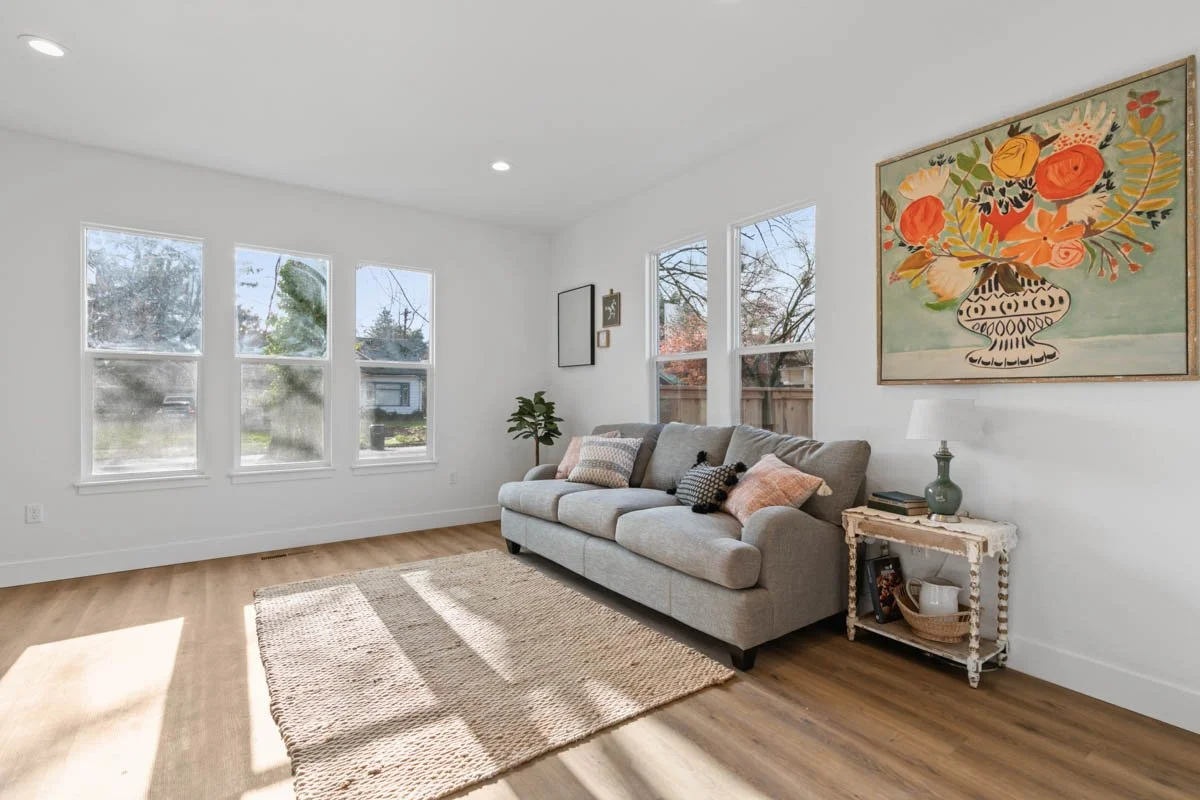
With land secured, zoning confirmed, and a budget in place, the next phase is the part most people picture when they think about building a home: design, construction, and move-in.
Designing Your Custom Home
Design is where your plans become specific to your land. Most homeowners work with an architect, a designer, or a design-build firm that handles both design and construction.
Design for your site
Your lot should shape the design, not the other way around. A sloped lot might call for a multi-level layout that works with the grade instead of requiring extensive grading. A lot with strong views in one direction can shift where windows, decks, and main living spaces go. Coastal lots in Curry County may need exterior materials chosen for wind exposure and salt air.
Design for the climate
New homes in Oregon follow the state's energy code for insulation, windows, and air sealing. Beyond code, a few choices are worth considering depending on where you're building:
Wildfire-resistant materials, such as non-combustible siding and roofing, are worth considering in rural areas with vegetation close to the home, even where not required by code.
Cooling and ventilation matter more in the Rogue Valley, where summer temperatures run higher than the coast.
Moisture and corrosion resistance matter more for coastal builds in Curry County, where salt air affects exterior materials over time.
How Southern Oregon's Weather and Seasons Affect Scheduling
Weather affects different parts of the region differently.
The Rogue Valley: winter rain can slow site work, excavation, and foundation pouring. Builders try to frame and dry in a home before the wettest part of the year.
Curry County and the coast: wind and rain factor into scheduling, particularly for siding and roofing.
Douglas County and other forested areas: wildfire season can affect site access and outdoor work during the driest months.
A good local builder plans around these patterns, but build some flexibility into your timeline for weather delays, especially if your build spans more than one season.
Choosing a Custom Home Builder in Southern Oregon
The builder you choose affects cost, quality, timeline, and how smooth the entire process feels. This decision matters more than almost any other you'll make.
Custom builders design around your specific site. If your lot has unusual conditions, or you want real control over layout and finishes, this is the right fit.
Production builders work from pre-designed plans. This can mean a faster, more predictable build, but it works best on straightforward lots without unusual conditions.
Owner-builders act as their own general contractor. This can lower costs, but it puts permitting, scheduling, and quality control on you, which adds risk for most first-time builders.
Once you've narrowed down builders, a few things separate a solid choice from a risky one:
A current CCB license. Non-negotiable, and easy to verify.
Experience in your county. Jackson, Josephine, Douglas, and Curry counties each handle permitting differently. A builder who's worked in your county already knows what to expect.
A portfolio of similar projects. Finished homes that match what you're planning tell you more than a sales pitch.
Clear communication from the start. How a builder answers questions now is usually how they'll communicate during the build.
Take time on this step. The right builder makes everything that follows easier.
Moving In and Maintaining Your New Home
Most builders provide a written warranty covering different parts of the home for different lengths of time. Keep this documentation along with any maintenance guidelines, and contact your builder if something comes up that may fall under warranty.
General maintenance:
Roof and gutters: check regularly, especially before and after the wet season.
Caulking and seals: check around windows and doors periodically to keep moisture out.
Grading and drainage: make sure water flows away from the foundation.
HVAC filters: replace on a regular schedule, particularly if wildfire smoke affects your area.
Frequently Asked Questions
How long does it take to build a custom home in Southern Oregon?
Most custom homes take 6 to 12 months to build once construction starts, plus 2 to 4 months of planning and permitting before that. Total timelines of 8 months to over a year from start to finish are common, depending on the project and the site.
Is it cheaper to build or buy in Southern Oregon?
It depends on the property and the market at the time. Building usually costs more upfront and takes longer, but it gives you a home built to current codes and designed around your needs, without the repairs and updates an older home might require.
What permits do I need to build a custom home?
At minimum, you'll need a building permit. Most projects also require separate electrical, plumbing, and mechanical permits. If your lot isn't connected to city sewer, you'll also need a septic permit through Oregon DEQ.
Can I build on rural land in Southern Oregon counties?
It depends on the zoning. Land zoned rural residential generally allows a standalone home. Land zoned for exclusive farm use or certain forest zones has more restrictions. Confirm the zoning designation before you buy.
How do I find a reliable custom home builder in the region?
Look for a current CCB license, a portfolio of completed projects similar to yours, and experience working in the specific county where you're building, since permitting processes vary across Jackson, Josephine, Douglas, and Curry counties.
Do I need to live on the property while it's being built?
No. There's no requirement to live on-site during construction. Many people building in Southern Oregon are relocating from elsewhere and aren't living nearby until the home is complete.
Ready to Start Building?
Building a custom home in Southern Oregon involves a lot of moving parts: choosing land, understanding zoning and permits, budgeting realistically, and managing months of construction. Having a builder who knows the region, and the specific county you're building in, makes that process considerably easier.
Verity Construction has built custom homes across Southern Oregon and works with homeowners from the first site visit through final inspection. If you’re ready to discuss your land, budget, and timeline, contact Verity Construction to start planning your custom home.
