
The Complete ADU Guide for Medford Homeowners
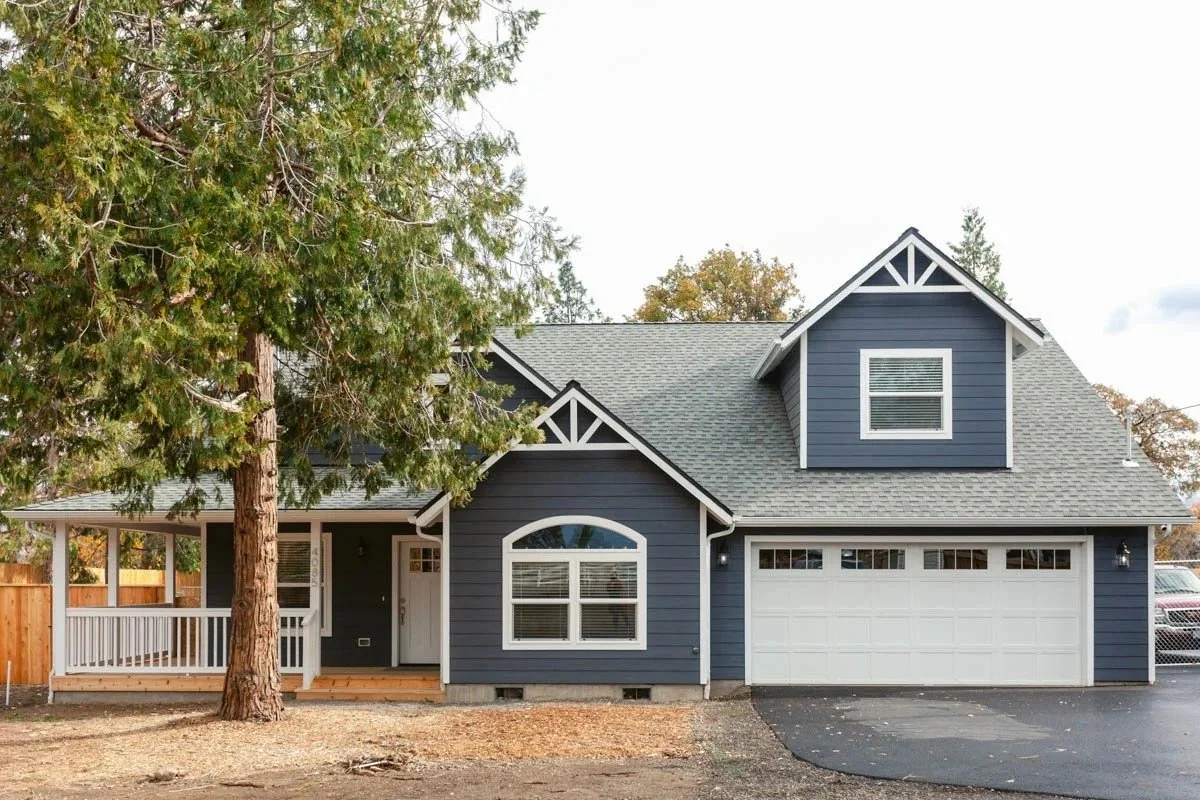
Accessory dwelling units, often called ADUs, give Medford homeowners a way to add a separate living space on the same property as a primary home. Many homeowners build ADUs for rental income, family housing, guest space, or added long-term property value.
Medford has its own local ADU code on top of Oregon's state requirements, and the city currently offers a cost-saving incentive that many homeowners miss. This guide walks through what counts as an ADU, what types are allowed, and exactly how Medford's size and placement rules work.
Key Takeaways
Medford caps ADU size at 900 sq ft, or 75% of your primary home's livable floor area for detached units, whichever is smaller. Interior conversions are capped at 50%.
The City of Medford cuts SDC fees by 50% for qualifying ADU permits through June 30, 2027, but only if the owner agrees not to use the ADU as a short-term rental for 10 years.
All ADU construction in Medford requires a permit. Most straightforward projects take about six weeks for approval and six to twelve months from design to completion.
The permit process follows a clear path: confirm zoning, prepare site plans, complete land use review, pull building permits, coordinate utilities, pass inspections, and receive a Certificate of Occupancy before the unit can be occupied.
Oregon law is on the homeowner's side. No owner-occupancy requirement, no mandatory extra parking, and starting January 1, 2027, HOA restrictions on ADUs will be retroactively voided under House Bill 2138.
What Is an ADU?
An accessory dwelling unit is a secondary residential unit located on the same lot as a primary home. It includes its own entrance, kitchen, bathroom, and sleeping space, and functions as a complete, independent living unit.
ADUs go by several names, including in-law suite, granny flat, backyard cottage, and accessory apartment. Whatever the name, the function is the same: a smaller, self-contained home sharing a lot with a larger one.
Medford homeowners build ADUs for a range of reasons:
Rental income. A built ADU can generate steady monthly income in a rental market where demand remains strong.
Family housing. Aging parents, adult children, or extended family can live nearby with their own space and privacy.
Property value. An ADU adds a second habitable structure to the property, which can increase its overall value.
Flexibility. A finished ADU can serve as a guest space, home office, or future rental, depending on what the homeowner needs at the time.
Common ADU Types in Medford
Medford's local code allows a few different ADU types, and the type chosen affects size limits, setbacks, and the permit process.
Detached ADU: A standalone structure built in a backyard or elsewhere on the lot, separate from the primary home. This is the most common form for new construction and tends to be the most flexible for rental use.
Attached ADU: A unit physically connected to the primary dwelling, such as a side addition, rear addition, or a converted space above an attached garage. Attached ADUs generally follow the same setback standards as the primary home.
Interior Conversion ADU: Existing space inside the primary home converted into a separate living unit, such as a basement, attic, or unused room. Interior conversions often cost less since the structure already exists, but they're held to a tighter size limit than detached or attached units.
Each type must meet Medford's local standards for size, setbacks, utilities, permits, and building code, which are covered in the next section.
Medford ADU Rules: Size, Setbacks, and Placement
Medford's ADU standards are set out in the Medford Land Development Code, Section 10.821. Before designing an ADU, homeowners should confirm these numbers apply to their specific property, since zoning district can affect setbacks.
Who Can Build an ADU in Medford?
An ADU can be built as accessory to a detached single-family home, a townhouse, a manufactured home, or a duplex dwelling on its own lot. The property must have a qualifying primary dwelling already in place.
Medford allows one ADU per primary dwelling. In single-family zones, the total number of units on a lot, including the ADU, cannot exceed four.
ADU Size Limits
Medford ties ADU size to the primary dwelling's Gross Habitable Floor Area (GHFA). GHFA is the total floor area devoted to living space, excluding garages and unfinished areas.
The size limits work like this:
A detached ADU can be up to 75% of the primary dwelling's GHFA, or 900 square feet, whichever is smaller.
An attached or interior conversion ADU can be up to 50% of the primary dwelling's GHFA, or 900 square feet, whichever is smaller.
Example calculation:
Home size: 1,800 sq ft
Garage (excluded): 400 sq ft
GHFA: 1,400 sq ft
75% of GHFA: 1,050 sq ft
Since 900 sq ft is smaller than 1,050 sq ft, the maximum detached ADU size is 900 sq ft
For most Medford homes, the 900 sq ft cap is the limiting factor. Smaller primary homes may have a lower ADU size limit based on the percentage rule.
Setbacks and Lot Coverage
An ADU must meet the same setback requirements as the primary dwelling, based on the lot's zoning district. These numbers vary by zone, so homeowners should confirm exact setbacks with the Medford Planning Department before finalizing a design.
One helpful exception: lot coverage may be increased by up to 10% specifically to accommodate the ADU. This additional coverage applies only to the ADU and can't be used for any other structure on the property.
Parking
Medford does not require additional off-street parking for an ADU if the existing home already has two off-street parking spaces. This aligns with Oregon state law, which prohibits cities from requiring extra parking for standard ADUs.
How Much Does It Cost to Build an ADU in Medford?

ADU costs vary based on the type of unit, the size, the site conditions, and the finish level. Homeowners in Medford should plan for both construction costs and the additional fees that come with permitting.
Construction Costs
Most ADU builds in Southern Oregon run between $150 and $300 per square foot, depending on the project.
Garage or interior conversions tend to land on the lower end of that range, since the structure, foundation, and roof already exist.
Detached new construction tends to land on the higher end, since it involves a full foundation, framing, roofing, and utility connections from the ground up.
A detached ADU in the Medford area typically runs in the range of $170,000 to $260,000, depending on size and finishes. Garage and interior conversions are generally less, often in the $80,000 to $150,000 range.
Permit Fees
Permit fees in Medford typically fall between $750 and $7,500, depending on the size and scope of the project. Larger detached builds with full electrical, plumbing, and mechanical permits will fall toward the higher end of that range.
System Development Charges (SDCs)
System Development Charges, or SDCs, are one-time fees tied to the impact a new dwelling unit has on public infrastructure. In Medford, these charges typically cover:
Transportation
Sanitary sewer collection
Stormwater
Parks
Sanitary sewer treatment is billed separately through the Medford Water Commission.
SDCs can add several thousand dollars to the total cost of an ADU project. The good news is that Medford currently offers a way to cut that cost significantly.
The 50% SDC Reduction Program
The City of Medford reduces SDC fees by 50% for new ADU building permits. This reduction applies through June 30, 2027.
This is one of the most overlooked parts of building an ADU in Medford, and it can mean thousands of dollars in savings on a project.
How to Qualify
To take advantage of the 50% SDC reduction, the property owner must:
Agree not to use the ADU as a short-term rental. This means no rentals of fewer than 30 consecutive days for a period of 10 years from the date the city accepts the application.
Record a restrictive covenant. This covenant must be filed with Jackson County, at the owner's expense, before the city issues the permit.
Report rents annually. The owner must report rental information to the city each year and certify that the ADU has not been used as a short-term rental.
This program rewards homeowners who plan to use their ADU for long-term rental, family housing, or personal use. Homeowners considering short-term rental income through platforms like Airbnb should weigh that potential income against the SDC savings before deciding.
For current details and to confirm the program is still active, homeowners can visit the City of Medford's Planning Department page directly.
The Medford ADU Permit Process
Building an ADU in Medford involves a series of steps, starting with zoning confirmation and ending with a final inspection. Here's what the process generally looks like.
Step 1: Confirm Zoning and Eligibility
Before any design work begins, contact the Medford Planning Department to confirm the property's zoning district, allowed ADU type, and any site-specific conditions such as overlays, easements, or non-conforming structures.
Step 2: Prepare Site Plans and Drawings
Once zoning is confirmed, the next step is preparing a site plan and construction drawings. These documents show the ADU's placement on the lot, its footprint, floor plan, and how it connects to existing utilities.
Step 3: Land Use Review
Most ADU applications in Medford go through a Type I land use review. This is a non-discretionary, staff-level review that's typically completed within about two weeks.
Properties located in overlay districts, such as historic districts, flood areas, or those requiring a variance, may need a more involved Type II or Type III review instead.
Step 4: Building Permits
A building permit is required for all ADU construction in Medford. The specific permits needed depend on the ADU type:
Detached new construction requires full building, electrical, plumbing, and mechanical permits.
Interior conversions (garage, basement, or attic) require building, electrical, and plumbing permits, and must meet residential code requirements for habitable space, including egress, insulation, ceiling height, and ventilation.
Attached additions require full building permits, similar to a room addition, plus compliance with ADU-specific zoning standards.
Step 5: Utility Coordination
Most ADUs connect to existing city water and sewer service. Homeowners should confirm with Public Works whether the existing connections have enough capacity, or whether a separate connection is needed.
Step 6: Inspections
Construction is followed by inspections at key stages, including framing, rough electrical, rough plumbing, insulation, and a final inspection.
Step 7: Certificate of Occupancy
Once all inspections are complete and approved, the city issues a Certificate of Occupancy. This step is required before the ADU can legally be occupied or rented.
Typical Timeline
Permit approval for a straightforward ADU project in Medford typically takes around six weeks. The full project, from design through construction, generally takes six to twelve months, depending on the type and complexity of the build.
Renting Out Your Medford ADU
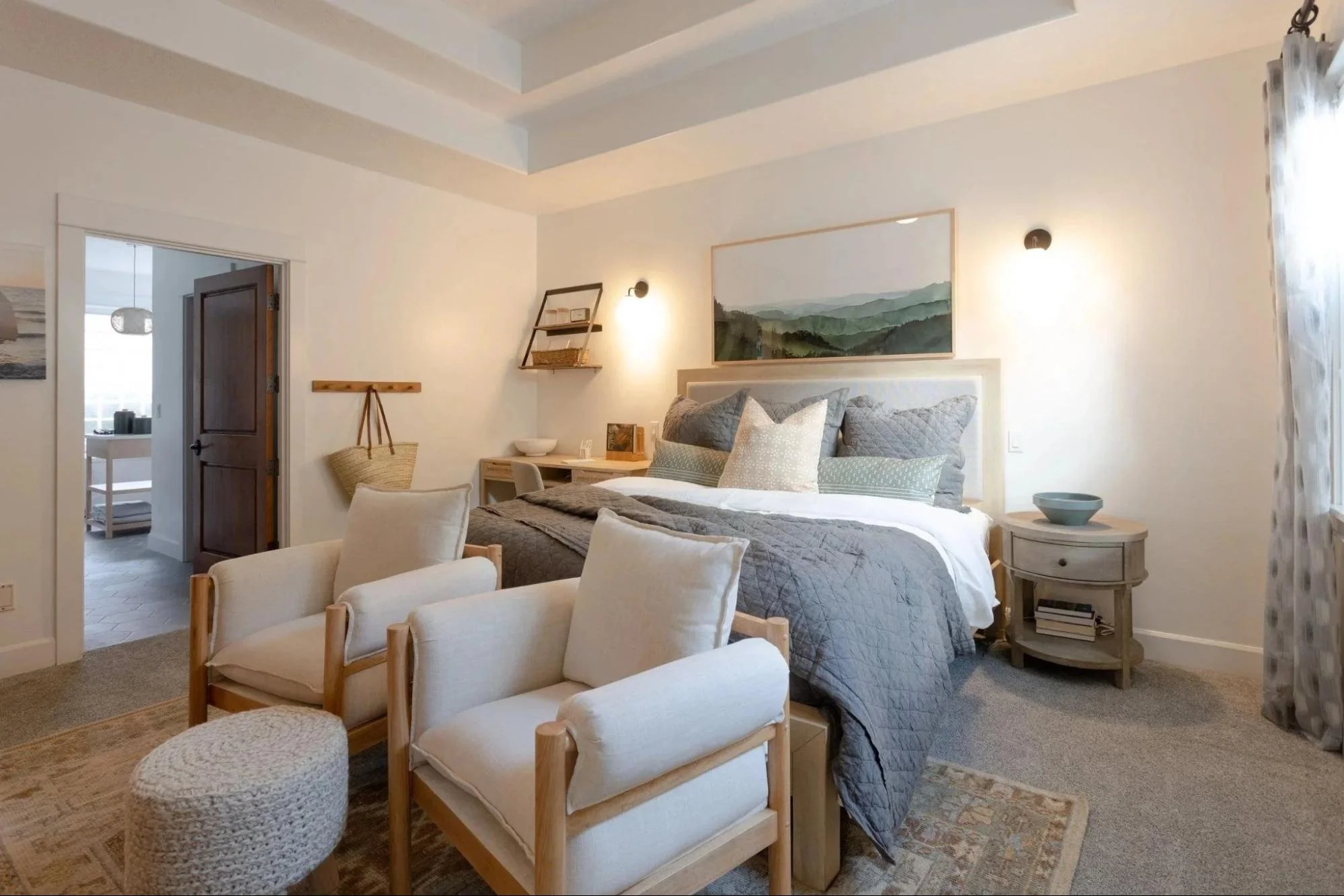
Once an ADU is built and has passed final inspection, many homeowners use it as a source of rental income. How the ADU is used affects which rules apply.
Long-Term Rental
Oregon law does not require the property owner to live on site in order to rent out an ADU. A homeowner can rent the ADU to a long-term tenant while living elsewhere, or while living in the primary home.
Standard landlord-tenant law applies to ADU rentals just as it would to any other rental unit. This includes requirements for written leases, habitability standards, and proper notice periods before entry or lease changes.
Short-Term Rental
Short-term rentals, meaning stays of fewer than 30 consecutive days, are treated differently. Using an ADU as a short-term rental disqualifies the property from the 50% SDC reduction program for a period of 10 years.
Beyond the SDC program, short-term rental use may be subject to additional local rules, such as transient lodging tax requirements. Homeowners considering this option should check Medford's current short-term rental regulations before listing the ADU on any platform.
Family and Personal Use
Many Medford homeowners build an ADU specifically for family members, such as aging parents or adult children, rather than for rental income. This use case carries the fewest additional rules and is one of the more straightforward ways to use a new ADU.
HOA Considerations
Some Medford neighborhoods are governed by an HOA, which sets its own rules through a document called CC&Rs (Covenants, Conditions, and Restrictions). These rules can cover things like exterior paint colors, fencing, and what can be built on a property.
The good news is that Medford's code limits how much an HOA can stand in the way of an ADU. CC&Rs recorded after the city's ADU ordinance took effect cannot prohibit an ADU that meets Medford's standards. Older CC&Rs, however, may still include rules about exterior materials or appearance that could affect the design, even though they can't block the ADU entirely.
Because of this, homeowners should check their CC&Rs early, around the same time they confirm zoning with the city, so any design requirements can be factored in from the start. Looking further ahead, a new state law called House Bill 2138 will retroactively cancel HOA restrictions on ADUs starting January 1, 2027, even ones written before the law passed. For homeowners with older or stricter CC&Rs, this could open up more design flexibility once that date arrives.
Is an ADU Right for Your Property?
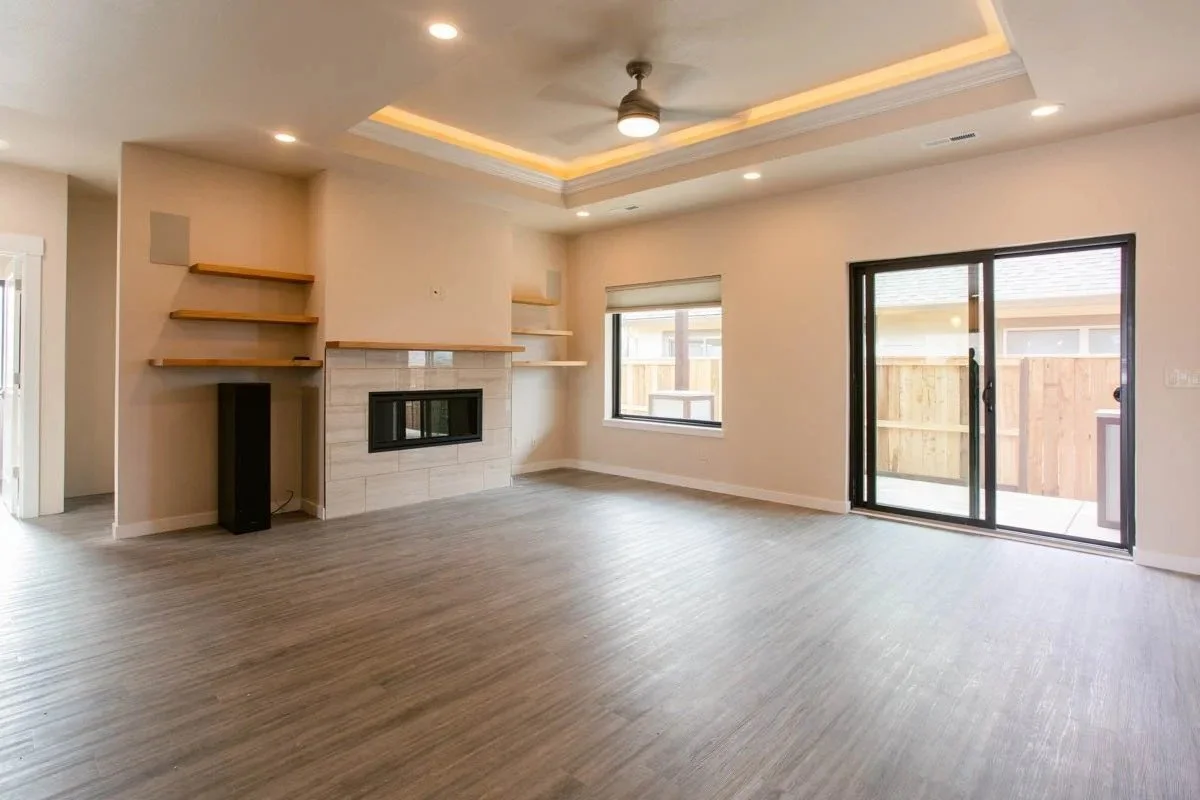
Not every property is an ideal candidate for an ADU, even though Medford's rules are generally favorable. A few factors can help homeowners think through whether an ADU makes sense for their situation.
Lot Size and Layout
A lot needs enough usable space to meet setback requirements while still leaving room for the ADU itself. Narrow lots, lots with limited rear yard depth, or lots with significant grade changes may have fewer placement options.
Primary Home Size
Because ADU size is tied to the primary home's GHFA, a smaller primary home will have a smaller maximum ADU size under the percentage rule. Homeowners with smaller primary homes should calculate their actual size limit early, rather than assuming the full 900 square feet will be available.
Existing Structures
Homes with an underused garage, a finished or finishable basement, or an unused attic space may have a faster, lower-cost path to an ADU through conversion rather than new construction.
Long-Term Plans for the Property
An ADU is a long-term addition to a property. Homeowners planning to sell within the next year or two should weigh the construction timeline and cost against how much value the ADU is likely to add at resale, versus homeowners planning to stay and use the ADU for years of rental income or family housing.
A Few Things to Watch For
Confirm setbacks and zoning before finalizing a design, since this can change what's buildable on a given lot.
If converting a garage or basement, confirm the space can meet habitability requirements such as ceiling height and egress before assuming it's a simple conversion.
Review CC&Rs and any recorded covenants on the property early in the process, not after a design is already complete.
Factor in the full project timeline, not just the permit timeline, when planning around a move, a tenant start date, or a family member's housing needs.
Frequently Asked Questions
How big can an ADU be in Medford, Oregon?
A detached ADU can be up to 900 square feet or 75% of the primary home's Gross Habitable Floor Area, whichever is smaller. Attached and interior conversion ADUs are limited to 900 square feet or 50% of the primary home's GHFA, whichever is smaller.
Do I need a permit to build an ADU in Medford?
Yes. All ADU construction in Medford requires a building permit, and the specific permits needed depend on whether the ADU is detached, attached, or a conversion of existing space.
How much does an ADU cost to build in Medford?
Most ADU builds in the Medford area run between $150 and $300 per square foot. Detached new construction typically falls between $170,000 and $260,000, while garage or interior conversions are often less.
Is there a way to reduce ADU fees in Medford?
Yes. The City of Medford offers a 50% reduction on System Development Charges for new ADU permits through June 30, 2027, provided the owner agrees not to use the ADU as a short-term rental for 10 years.
Do I have to live on the property to rent out my ADU?
No. Oregon law does not require owner-occupancy for standard long-term ADU rentals.
Can I use my ADU as an Airbnb?
It's possible, but doing so means the property won't qualify for the 50% SDC reduction for 10 years. Homeowners should also check Medford's short-term rental rules before listing the unit.
Can my HOA stop me from building an ADU?
No. Medford's code prevents HOA documents from prohibiting ADU construction that meets city standards, though older HOA rules may still affect design details such as exterior materials.
Build Your ADU With Verity Construction
Planning an ADU in Medford involves zoning confirmation, size calculations, permit applications, and construction, all of which need to align with the property's specific conditions.
Verity Construction handles all of it, in-house. We're based right here in Medford, so we know the permit process, the city departments, and what it actually takes to get a project approved and built. One team manages everything from the first site visit through design, permitting, construction, and the final inspection, so nothing gets lost between contractors.
Ready to find out what your property can support? Reach out to Verity Construction today and let's talk through your options, your budget, and what a realistic timeline looks like for your ADU.
