
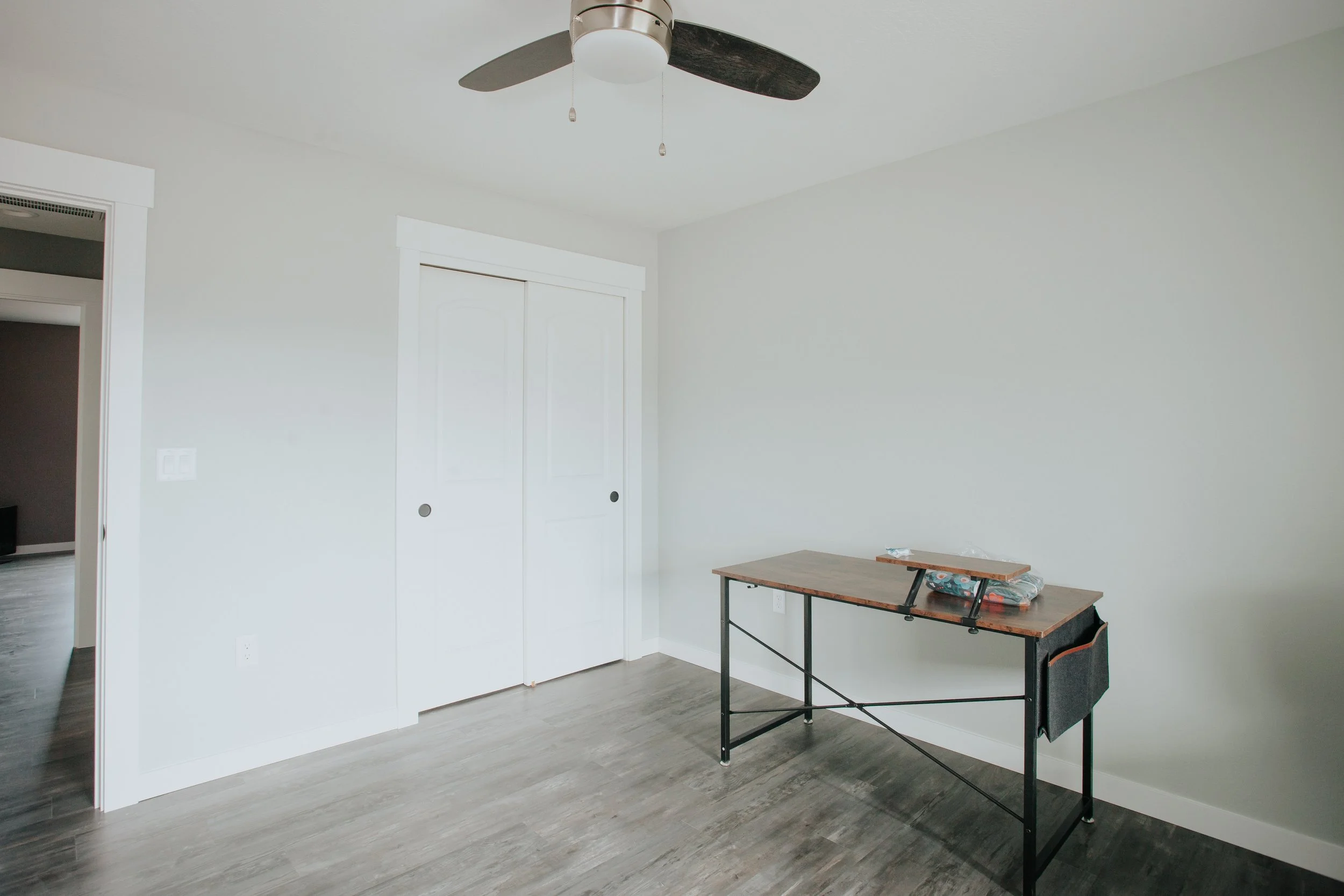
Can you live at home during a remodel? In many cases, yes. But it depends on how much of your house is being renovated, which rooms you can still use, and whether the construction area can be safely separated from your living space.
Think about your usual morning. You need a working bathroom, somewhere to make coffee, and a place to get ready for work. Now imagine doing all that while a construction crew removes flooring, cuts drywall, and carries materials through the house. Staying home can work, but it takes planning.
At Verity Construction, we handle whole home remodels in Medford and throughout Southern Oregon. Part of that process is helping homeowners understand whether they can realistically stay in the house during construction. We look at which rooms will be affected, what needs to be disconnected, and how the work can be organized before demolition begins.
Key Takeaways
Living at home during a remodel is possible if essential rooms remain safe, accessible, and functional.
Kitchen, bathroom, and whole-home renovations can disrupt daily routines, especially when water or electricity needs to be shut off.
Dust, noise, and construction activity are unavoidable, but proper barriers and planning can help manage them.
Staying home may extend the construction timeline if crews need to work around occupied spaces.
Temporary relocation may be safer and more practical during major demolition, structural work, or extensive renovations.
Discuss room access, utility interruptions, safety measures, and construction schedules with your contractor before work begins.
Can You Stay in Your House During a Remodel?
Yes, you can often stay in your house during a remodel, especially when the work is limited to one area and the rest of the home remains safe and functional.
A bathroom renovation, for example, may be manageable if you have another working bathroom. The contractor may be able to isolate the construction area, protect nearby rooms, and schedule disruptive activities around the household.
A major renovation is different. If you're removing the kitchen, opening several walls, replacing flooring throughout the house, and upgrading electrical systems, staying home becomes much more difficult.
With multiple rooms under construction, there's less living space available, more movement between work areas, and a greater chance of interruptions to water, electricity, or heating.
Before construction begins, ask your builder which rooms will remain usable, how you'll access them, and whether staying home is practical throughout the project.
Which Rooms Will You Still Be Able to Use?
The first rooms to think about are your bathrooms and bedrooms.
If your house has three bathrooms, you have more flexibility than someone living in a two-bedroom home with only one. When the only shower is being renovated, you'll need another place to bathe until the work is finished.
Bedrooms are another consideration. If the remodel doesn't affect the sleeping areas, staying home may be manageable. But once construction moves into hallways, stairs, or main entrances, getting around the house becomes more complicated.
Why Construction Sequencing Matters
Construction sequencing refers to the order in which different parts of the remodel are completed.
Depending on the layout and scope of work, your contractor may be able to finish one area before starting another.
For example, keeping a secondary bathroom functional while renovating the primary bathroom can make everyday life much easier.
However, this isn't always possible. Electrical, plumbing, and structural changes may affect several rooms at once.
Ask your contractor which spaces can remain open, when they'll be unavailable, and whether access will change as construction progresses.
What Happens When Your Kitchen Is Out of Commission?
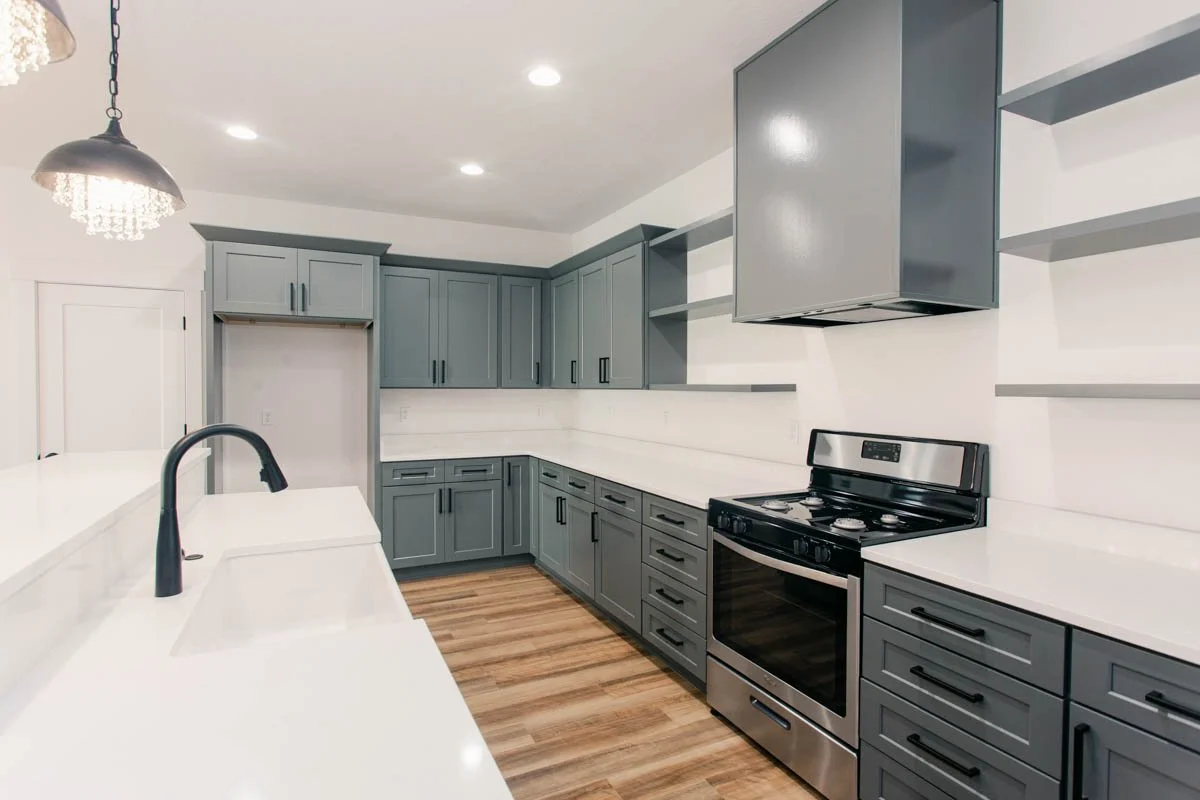
Kitchen remodeling can be one of the most disruptive projects to live through.
It's easy to think you'll manage with takeout for a few weeks. But preparing meals, storing groceries, washing dishes, and keeping everything organized without a working kitchen can become frustrating.
If you plan to stay home, setting up a temporary kitchen can help you manage daily meals.
Setting Up a Temporary Kitchen
Choose a clean area away from construction where you can safely store food and prepare simple meals.
Depending on the available space and electrical supply, your temporary setup might include:
Refrigerator: Keep groceries and essential ingredients accessible.
Microwave: Reheat meals without needing a full kitchen.
Electric kettle: Prepare hot drinks and simple foods.
Small preparation area: Set aside counter or table space for basic meal preparation.
Food storage: Keep utensils, dishes, and pantry items organized and protected from dust.
You'll also need to think about where you'll wash dishes and how you'll handle food waste while the kitchen sink is unavailable.
What We've Seen During Whole Home Remodels
One of our whole home remodel projects in Medford involved moving the kitchen to a completely different part of the house.
The original kitchen was positioned in the middle of the floor plan. Relocating it allowed us to open up the living space and create a more functional layout with a separate pantry.
That type of renovation involves considerably more work than replacing cabinets and countertops.
Plumbing, electrical systems, framing, and finishes must all be coordinated around the new kitchen layout.
If you're planning something similar, find out how long the kitchen will be unavailable and whether a temporary setup will work for your household.
How Bad Will the Dust and Noise Get?
Expect noise and dust during a home remodel, even when construction is limited to one part of the house.
Demolition, drilling, sanding, cutting materials, and installing new finishes can make it difficult to concentrate or hold conversations nearby.
Dust can also travel beyond the work area if it isn't properly contained.
How Contractors Manage Construction Dust
Contractors can use protective measures to help keep construction dust and debris away from occupied areas.
These may include:
Installing temporary barriers between construction and living spaces.
Protecting floors and walkways used by workers.
Using appropriate dust-control equipment.
Separating construction materials and debris from occupied rooms.
Taking precautions with HVAC systems to reduce dust movement.
These measures can help control the mess, but they won't necessarily keep every part of your home spotless.
Before construction starts, ask how your contractor will protect the areas you're still using and what cleanup procedures will be followed.
Older homes may also require additional investigation before demolition, particularly when lead-based paint or asbestos-containing materials could be disturbed.
Those conditions require appropriate safety precautions, and temporary relocation may be necessary during certain activities.
If you work from home, remember that headphones won't eliminate construction noise. Demolition and framing work can make video meetings difficult, even from another room.
What About Children and Pets During Construction?
Living at home during a remodel requires additional planning when you have young children or pets.
Construction areas may contain exposed wiring, sharp tools, building materials, temporary openings, and workers moving equipment throughout the property.
Children and pets shouldn't have access to active construction areas.
Keeping Children Safe
If your family stays home, make sure there's a reliable separation between living areas and the construction site.
Discuss which entrances workers will use, where materials will be delivered, and whether any commonly used parts of the house will be temporarily inaccessible.
You may also need to arrange childcare during demolition or other particularly disruptive phases.
Managing Pets During a Remodel
Pets can become stressed by loud noises, unfamiliar workers, and changes to their usual environment.
Dogs may struggle with the constant activity, while cats may try to escape through doors that are frequently opened for deliveries and equipment.
Depending on your pet's behavior, keeping them in a secure room away from construction or arranging daytime care may be more practical.
For some families, temporarily moving out during demolition and heavy construction is the safer and less stressful option.
Will You Still Have Water, Power, and Heating?
You may have access to water, electricity, and heating for most of the remodel, but temporary interruptions are sometimes necessary.
The type of work determines which services may be affected and for how long.
Water and Plumbing
Bathroom and kitchen renovations often require temporary water shutoffs while plumbing connections are removed, replaced, or relocated.
Even if the work is limited to one room, the shutoff may affect other areas of the house.
Electricity
Electrical upgrades may require circuits to be disconnected while new wiring, outlets, fixtures, or equipment are installed.
Depending on the electrical system, some interruptions may affect more than the immediate construction area.
Heating and Cooling
Changes to HVAC equipment or ductwork can temporarily affect heating and cooling in occupied rooms.
This can be particularly inconvenient during Southern Oregon's hot summers and colder winter months.
Ask your contractor which interruptions are expected and how much advance notice you'll receive.
A scheduled water or power shutoff is much easier to manage when you know about it beforehand.
Older homes may also contain hidden problems, such as damaged plumbing, outdated wiring, or moisture issues that aren't visible until construction begins.
If those discoveries affect essential services, your original plans for staying home may need to change.
Does Living at Home Make a Remodel Take Longer?
It can. Living in your house during construction may require additional scheduling, temporary protection, and extra steps to keep certain rooms accessible.
An empty house generally gives contractors more freedom to move materials, disconnect utilities, and work across multiple rooms without interrupting everyday activities.
For example, replacing flooring throughout the main level may be more straightforward when the house is vacant.
If you're living there, furniture and belongings may need to be moved between rooms, and the crew may need to complete the work in stages to maintain access.
That doesn't mean every occupied remodel takes significantly longer.
The impact depends on the project scope, home layout, and how efficiently the construction can be organized.
Before approving the schedule, discuss whether staying home will require additional construction phases or affect the expected completion date.
When Does Moving Out During a Remodel Make More Sense?
Sometimes, temporarily moving out is the more practical decision.
If most of your house will be under construction, the only bathroom is unavailable, or essential utilities will be disconnected for an extended period, staying home may not be realistic.
Temporary relocation may also make sense for households with young children, people sensitive to dust, or anyone who needs a consistently quiet environment for work.
You May Only Need to Move Out Temporarily
Moving out doesn't always mean leaving for the entire remodel.
Depending on the construction schedule, you may be able to stay elsewhere during the most disruptive stages, such as:
Major demolition and structural changes.
Extensive plumbing or electrical upgrades.
Flooring replacement across multiple rooms.
Work that temporarily makes essential living spaces inaccessible.
You may be able to return once a safe, functional part of the house is available.
Factor Temporary Housing Into Your Budget
Staying elsewhere adds another expense to your remodeling project.
Whether you're staying with family, renting a furnished property, or booking a hotel, it's worth comparing those costs with the inconvenience and possible scheduling changes involved in remaining at home.
When deciding whether to remodel or add onto your existing home, consider how the construction will affect your household alongside the overall project cost.
What Should You Do Before Construction Starts?
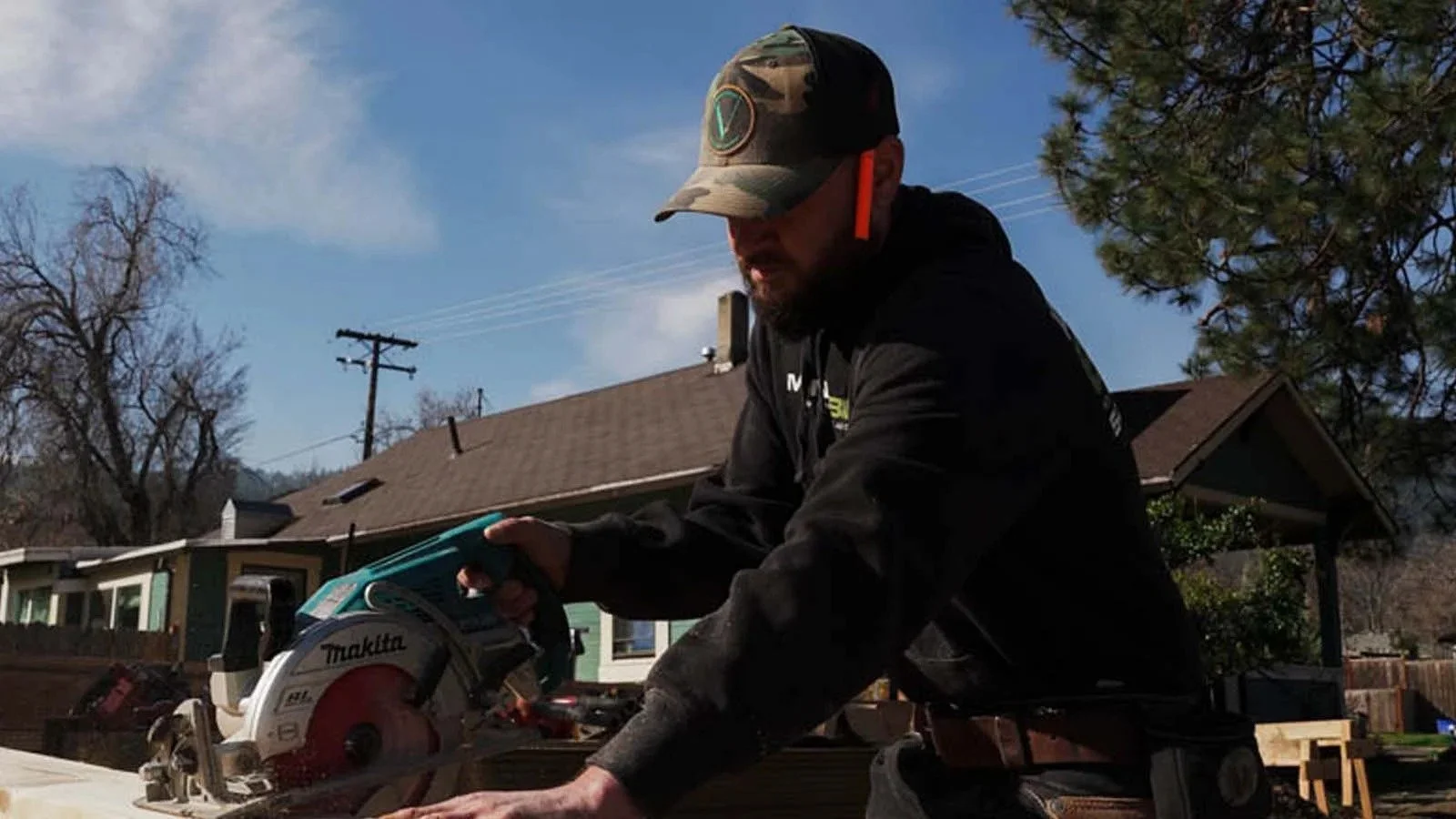
Preparing your home before construction begins can make the remodeling process easier for both your household and the crew.
Even a well-organized project becomes more difficult when workers constantly need to move furniture or belongings out of the way.
Prepare Your Home for Construction
Before the first day of work, take care of the following:
Clear the construction area: Remove furniture, decorations, electronics, and belongings that could obstruct the work.
Protect valuable items: Store artwork, fragile belongings, and important possessions away from dust and construction activity.
Plan temporary living spaces: Decide where you'll sleep, work, prepare meals, or store essential items if your usual rooms become unavailable.
Arrange parking: Make sure workers have the access they need for equipment, deliveries, and construction materials.
Plan safe access routes: Find out which entrances, hallways, or stairs will remain accessible.
Discuss the work schedule: Understand when crews will arrive and which activities may disrupt your routine.
Think about how your family will use the remaining space.
A bedroom may temporarily become a home office, while a spare room might need to accommodate food storage or other household essentials.
The more you can organize before construction begins, the fewer last-minute adjustments you'll need to make.
How Will Your Contractor Keep You Informed?
Communication matters during any remodel, but it becomes especially important when you're still living in the house.
A scheduled water shutoff, unexpected delivery, or change in room access can affect your day almost immediately.
Before construction begins, find out who will be responsible for providing updates and how you'll be notified about changes.
What Should You Discuss With Your Contractor?
Make sure you understand:
When construction crews will typically be on-site.
Which rooms will be affected during each stage.
When water, electricity, or other services may be interrupted.
How occupied areas will be protected.
What cleanup will take place at the end of each workday.
Who to contact when you have questions or concerns.
At Verity Construction, homeowners have one dedicated point of contact throughout the project.
Our team coordinates the trades and construction schedule, giving you someone familiar with the work who can answer questions and explain changes as they happen.
If you're planning to remain in the house, we want to discuss that arrangement before construction starts.
We need to understand which rooms your household depends on, and you need to know what the crew requires to complete the work safely and efficiently.
Frequently Asked Questions About Living at Home During a Remodel
Is It Cheaper to Stay Home During a Remodel?
Staying home can save you the cost of temporary accommodation, but it doesn't automatically make the remodel cheaper.
If the contractor needs additional construction phases, temporary facilities, or extra protection for occupied areas, those arrangements may affect the overall cost.
Compare both options before deciding.
Can I Work From Home During a Renovation?
Yes, depending on the scope of work and where your workspace is located.
A separate room away from construction may be suitable on quieter days, but demolition, drilling, and other noisy activities can make meetings and concentrated work difficult.
Ask your contractor for advance notice of particularly disruptive work.
What Happens if Problems Are Discovered After Demolition?
Older homes sometimes contain hidden damage, leaks, outdated wiring, or deteriorated framing.
If these problems are discovered, your contractor may need to investigate further and discuss changes to the project scope.
Depending on the issue, additional work could affect your budget, construction schedule, or ability to remain in the house.
Planning a Remodel in Medford? Talk to Verity Construction
Living at home during a remodel is possible for many projects, but the decision should depend on more than convenience.
You need to know which rooms will remain functional, what construction activities are planned, and how your household will manage the disruption.
At Verity Construction, we handle home remodeling projects throughout Medford, Ashland, Jacksonville, Central Point, and surrounding Southern Oregon communities.
We can review your home's layout, discuss the planned construction work, and help determine whether staying home is realistic or whether temporary accommodation would make more sense.
If you're considering a remodel, contact Verity Construction to discuss your plans. We'll help you understand what the project involves and how the work can be organized around your home and household.
